

Section Styles pretty
You're not going to get left behind for creating slowly
I know that’s not what your algorithm is telling you. Or the endless stream of creator advice insisting you need to post more or move faster. But there’s a better way to build a creator business. I know this because I tried every other way…
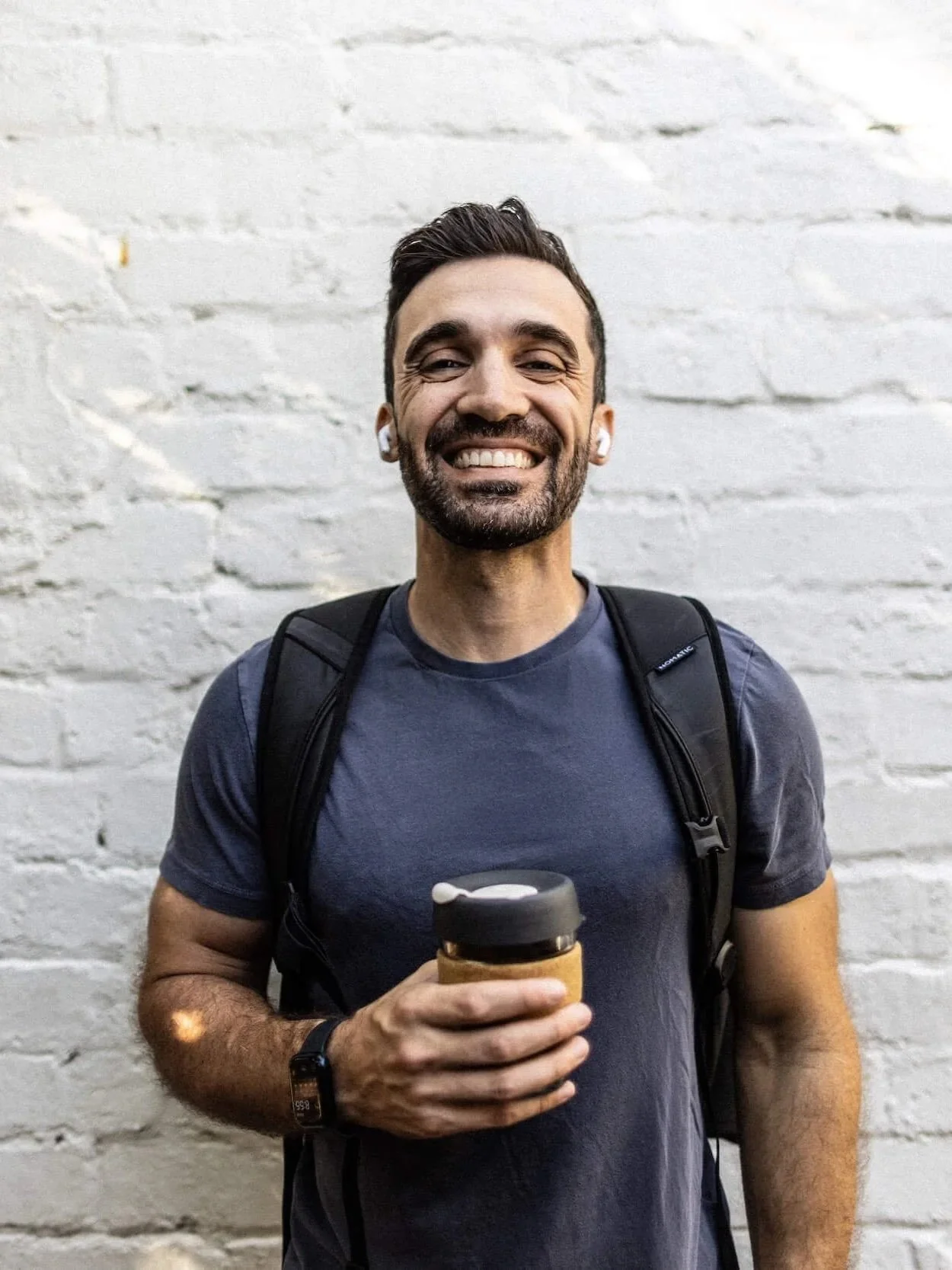
Hey, there. I’m Matt D’Avella.
You may know me as the minimalism guy who wears the same t-shirt in basically every video. Or from my Emmy-nominated Netflix documentary. Or from the YouTube channel I’ve somehow grown to 4 million subscribers.
What you probably don’t know is what it cost me to build my creator business.
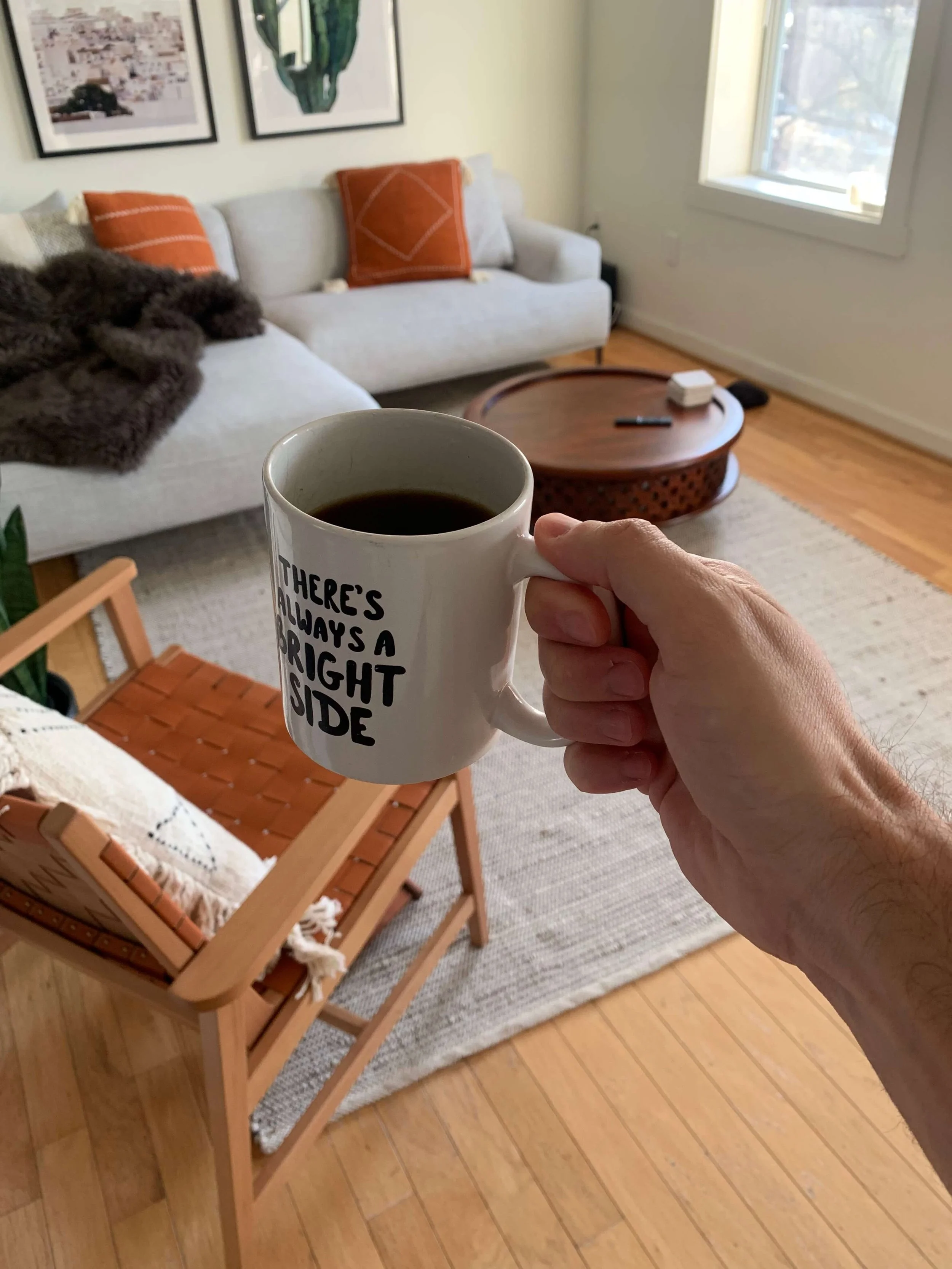
So grab a pour-over coffee and pull up a chair. This one’s a long one.
My Creator Journey
from 0-4 million subscribers, and everything I learned the hard way

Before YouTube
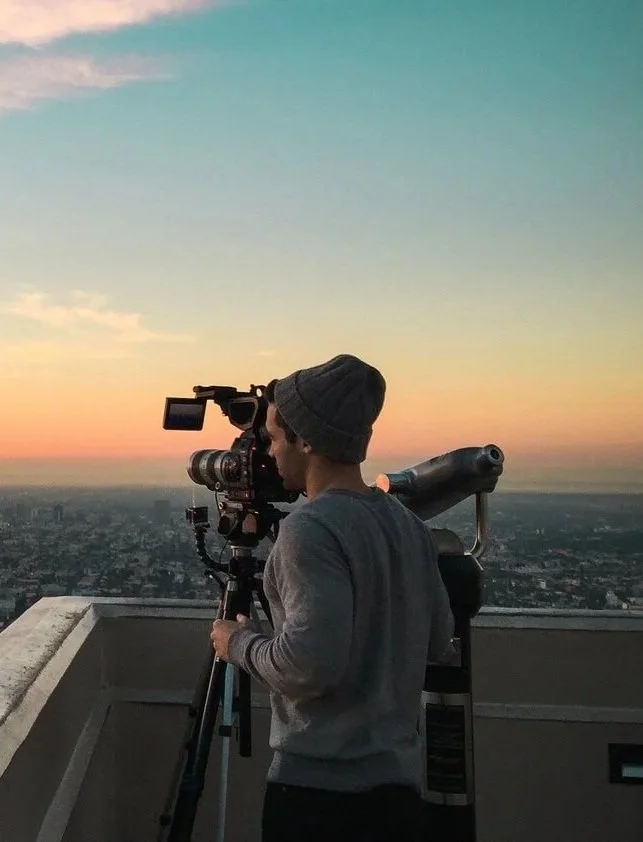
My journey as a filmmaker started in high school when I picked up my first Sony Handycam and started annoying people by pointing it at them. Straight out of college, I went freelance making videos for brands like RedBull and Reebok.
But even though I loved the work, I couldn’t shake the pull to make original content and tell stories I give a damn about from start to finish.
In 2017, I started my YouTube channel. Did I have a fully-mapped content strategy in place? Nope.
Did I know I was going to make videos about minimalism or film myself taking freezing cold showers 30 days in a row? Not even close.
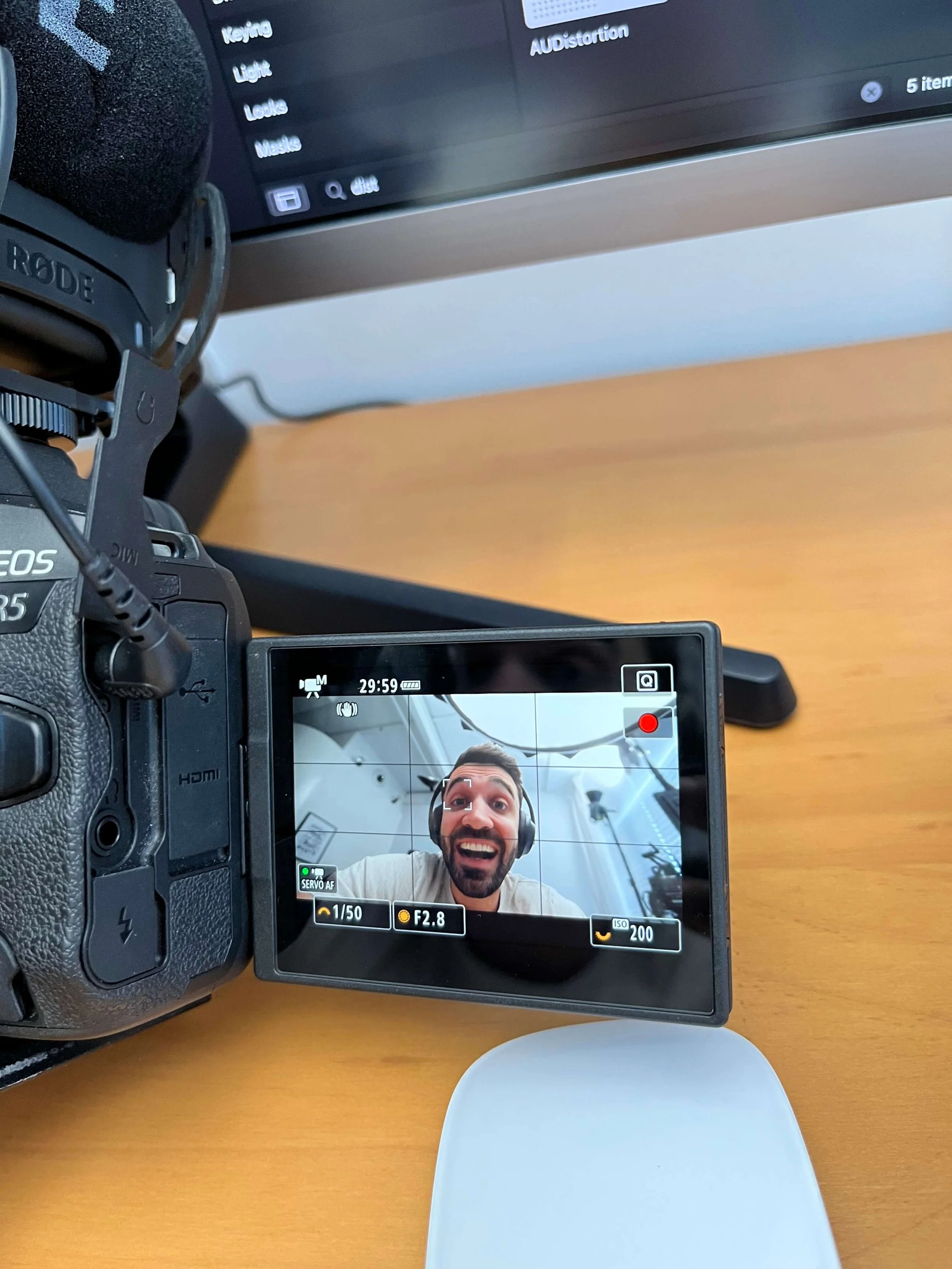
I just sat in my living room, hit record, and declared that I, Matt D’Avella, was going to be a YouTuber.
Creating for an audience of zero
The early days felt like I’d shown up late to a party where everyone already knew their niche, their editing style, and the people in their comments section.
The productivity space felt saturated (yes, even in 2017), and I felt like the awkward new kid trying to figure out how to fit in with the popular crowd.
I’d spend 40 hours on a video only to hit publish, and watch the numbers barely tick above 100. And I’d sit there thinking: what’s the point?
But I kept uploading. Kept flinging a bunch of spaghetti at walls. And slowly, I found my voice and style.
Things finally took off. (Sorta.)
After one full year of grinding, my video, My Minimalist Apartment, broke out of 10,000 view jail and kept climbing. 100,000, 500,000, 1 million. I grew to 50k subscribers in 2 months. YouTube featured me as a Creator on the Rise on their Trending page.
It felt incredible. People besides my mom were in the comments. And for the first time, I thought: wow, maybe I can go full-time with this.
It was also terrifying.
Because ― holy shit ― now there were expectations to live up to. People to not disappoint. And I couldn’t shake the feeling it could all crumble the next day.

Became my own (worst) boss
In 2018, I went all in on YouTube full time. I thought I’d finally be able to kick my feet up and splurge on a different coloured t-shirt.
But there was a louder voice telling me: you really can’t stop now.
Since my revenue was tied to my views, every video had to perform. Every idea had to feel fresh. It felt like there was an invisible gorilla on my back, and the only way to stop it from crushing me was to keep creating content.
So I worked 12-hour days. Optimized as much as I could. And said no to everything that wasn’t “productive.” I kept telling myself it was just temporary. Just until I’ve built enough of a runway to slow down.
But once the runway disappeared, I’d be right back at the beginning, figuring out how to make more videos while running on fumes.
Hit 1 million subscribers. Then had a breakdown
In 2019, I opened YouTube and saw I’d hit 1 million subscribers.
To this day, I still can’t believe that an audience the size of 21 Yankee Stadiums wanted to watch me make pour-over coffee and tell corny bicep jokes.
But one morning, I started waking up with headaches and constant dizziness. It got so bad, I convinced myself I must be allergic to my apartment.
Turns out, I was suffering from severe burnout and Generalized Anxiety Disorder.
My body was screaming at me to stop, but I couldn't hear it over the noise of keep going.
I told myself I’d approach work differently but I’d end up back on the same hamster wheel:
Sprint → Burn out → Sprint again (but better this time, I promise ) → Burn out again. → Repeat.
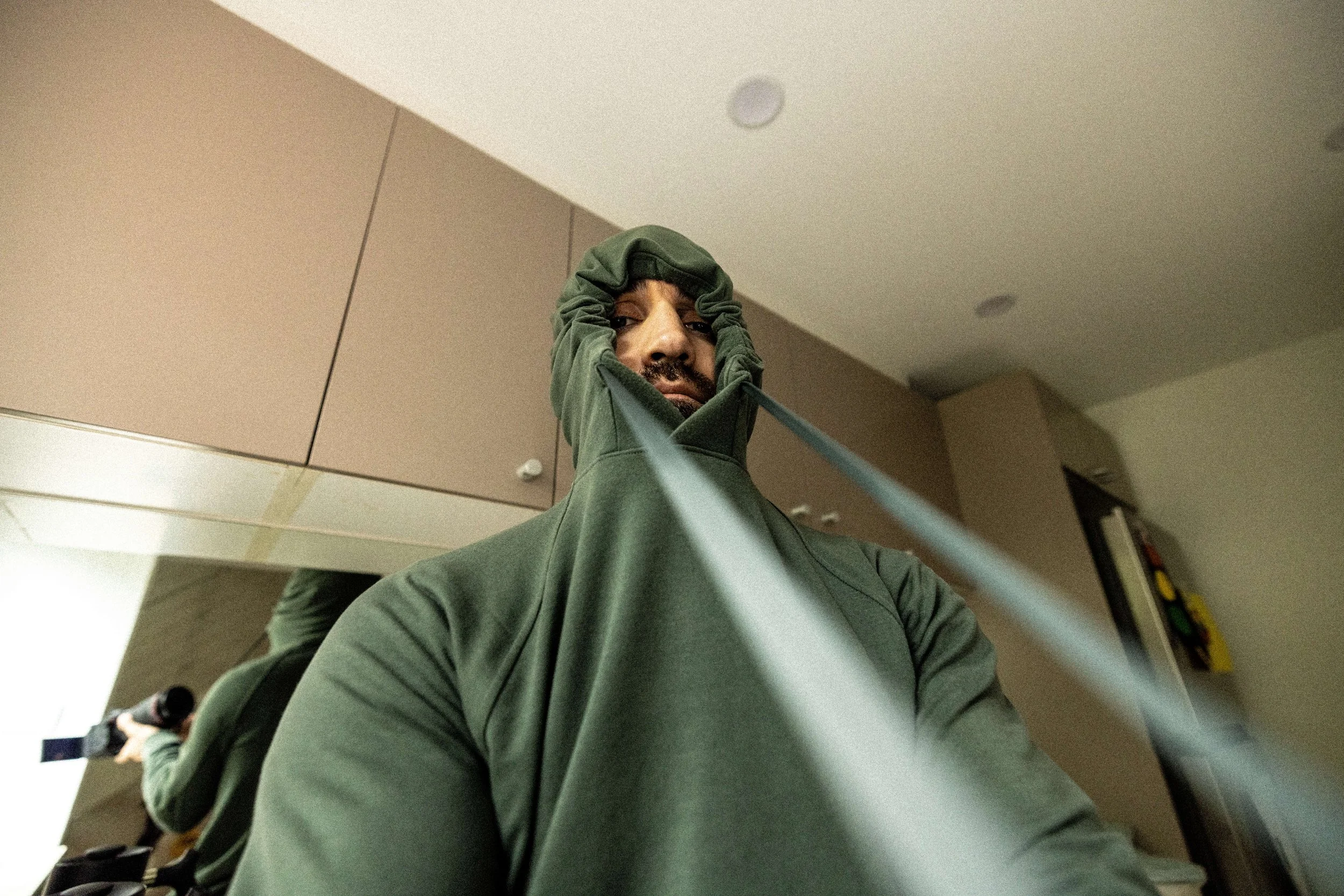

Built a very expensive prison
I couldn’t keep doing everything myself. So I did what every business podcast told me to do and hired a team. At one stage, I had 11 editors, managers, and writers. And I thought: finally, I can slow down.
But what started as an exciting challenge slowly turned into a hydraulic press for my creativity.
I found myself doing more ‘managing’ than creating. And I was still sprinting on that hamster wheel. Except this time, I had the weight of making payroll and funding 401ks on my back.
Instead of having more freedom, I’d accidentally built a more expensive, more complicated trap. So I had the hardest conversations of my creator career and let all my employees go. It was painful for the people and me, who I felt I’d let down. That part still stings.
Back to what worked
For the first time in a long time, I was free to choose what I wanted to do, not what I thought I had to.
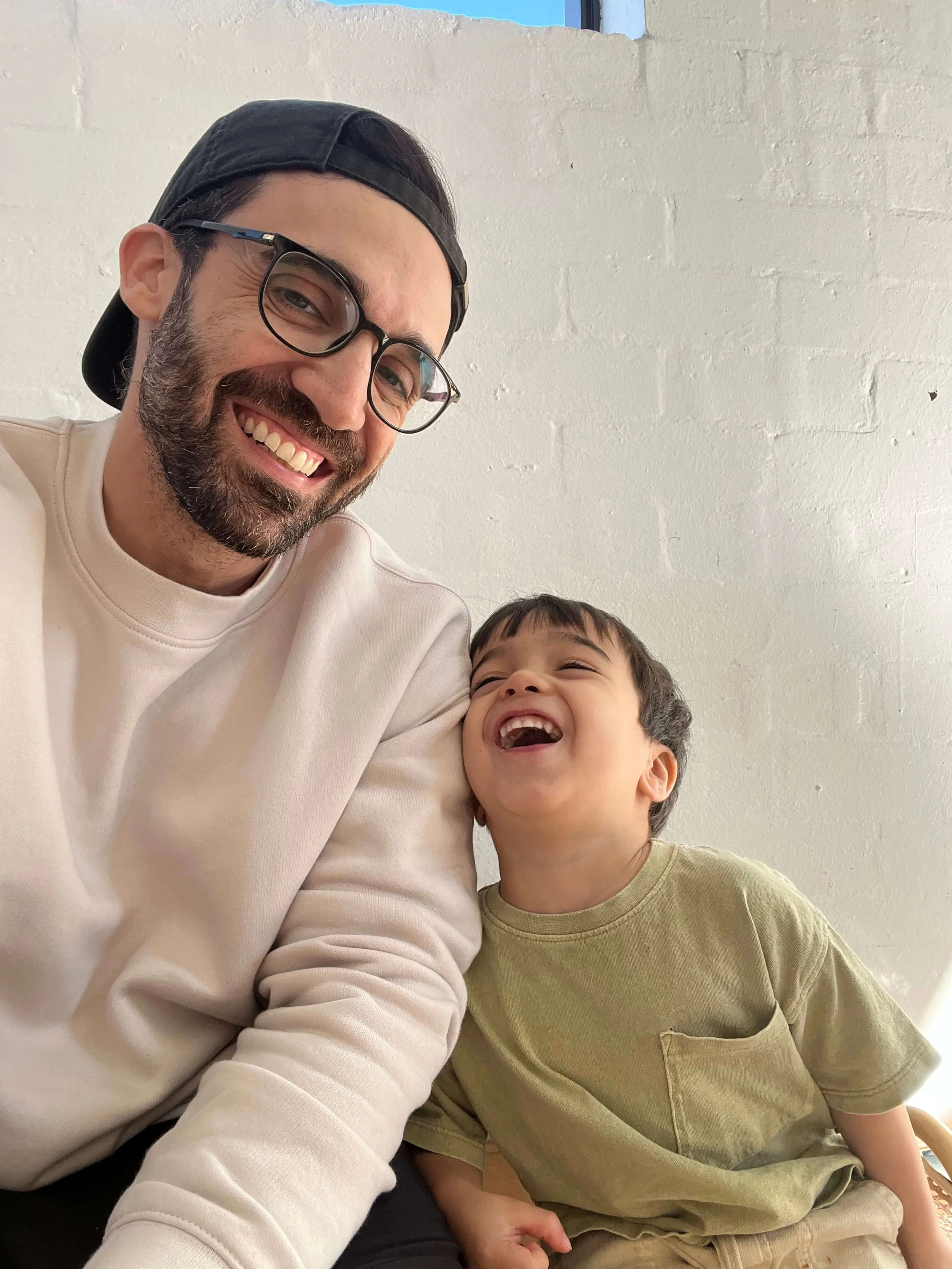
Becoming a dad to two energetic little boys (shout out Frankie & Sonny) forced me to wrestle with the question: What am I actually doing this for? I wasn’t willing to sacrifice family time for work anymore, or pull all-nighters to hit a self-imposed deadline.
So I did the opposite of what I was ‘supposed’ to. I slowed down to one video a month. Stopped getting swept up in the race to do more, and went back to the part I actually loved: the writing, editing, and making something I was proud of.
Part of me wondered if creating less meant people would forget about me. But my engagement went up. People commented that they could feel the difference in my videos and energy. And I enjoyed making videos again.
Turns out, going slow was the answer the whole time. (I just had to burn out 4 times to figure that out).

Which Brings Me to You
You don’t have to lose yourself in the process of building something great
In my decade as a creator, I’ve learned that moving fast and scaling bigger can just make your work more painful.
You can absolutely build a successful content business without sacrificing your health or creativity. But just because I learned that lesson the hard way, doesn’t mean you have to.
Finally, a slower way to build a creator business
Being a slow creator doesn't mean you've given up.
It doesn't mean you're fine with staying small forever or that ambition is the enemy. It means you got into this because you love making things — and you refuse to let the content creation race grind that out of you.
You'd rather build an audience that genuinely can't wait for your next video.
Not a passive following that scrolls past. You want to make work without wondering "will this perform" before you even start — and to measure success by how proud you are of the work, not just how fast the numbers are moving.
In short: You’ve decided some things aren't worth sacrificing.
And slowing down doesn't mean you're falling behind.
The slow creator path isn't an easy one.
It takes real confidence to resist the trends, skip the clickbait, and make the thing you want to make — even when the algorithm seems to be rewarding everyone who does the opposite.
The happiest creators aren't the ones who posted the most or the fastest.
They're the ones who slowed down, got really good at their craft, and made something people really care about. That's the bar — and everything here is designed to help you get there.
What the slow creator path is built on
-
Depth Over Speed
Standing out in a saturated space won’t come from posting more. It’ll come from making work so good, so distinctly yours, that people stop scrolling the moment they find it.
-
Craft Over Content
There’s a difference between making ‘content’ and making something worth watching. AI has made content cheap. But your craft ― your voice, your style, your point of view ― has never been more valuable.
-

Life Over Metrics
There’s no point curating a life that “looks” good online if you feel trapped behind the scenes. A sustainable creator business is one where you have a healthy relationship with your work and more time for the people and things that matter.
-
Permission to do it Differently
Going against the grain and resisting the pressure to follow the algorithm takes confidence ― especially when the external validation isn’t there yet. But that confidence comes from one place: knowing your work is worth the wait.
-

Play the Long Game
People remember quality long after they forget a trending video. When you build a body of work that earns trust and compounds over time, you’ll build an audience that follows you anywhere.
Here’s how I can help
It’s time to stop creating for the algorithm and start creating for yourself
-
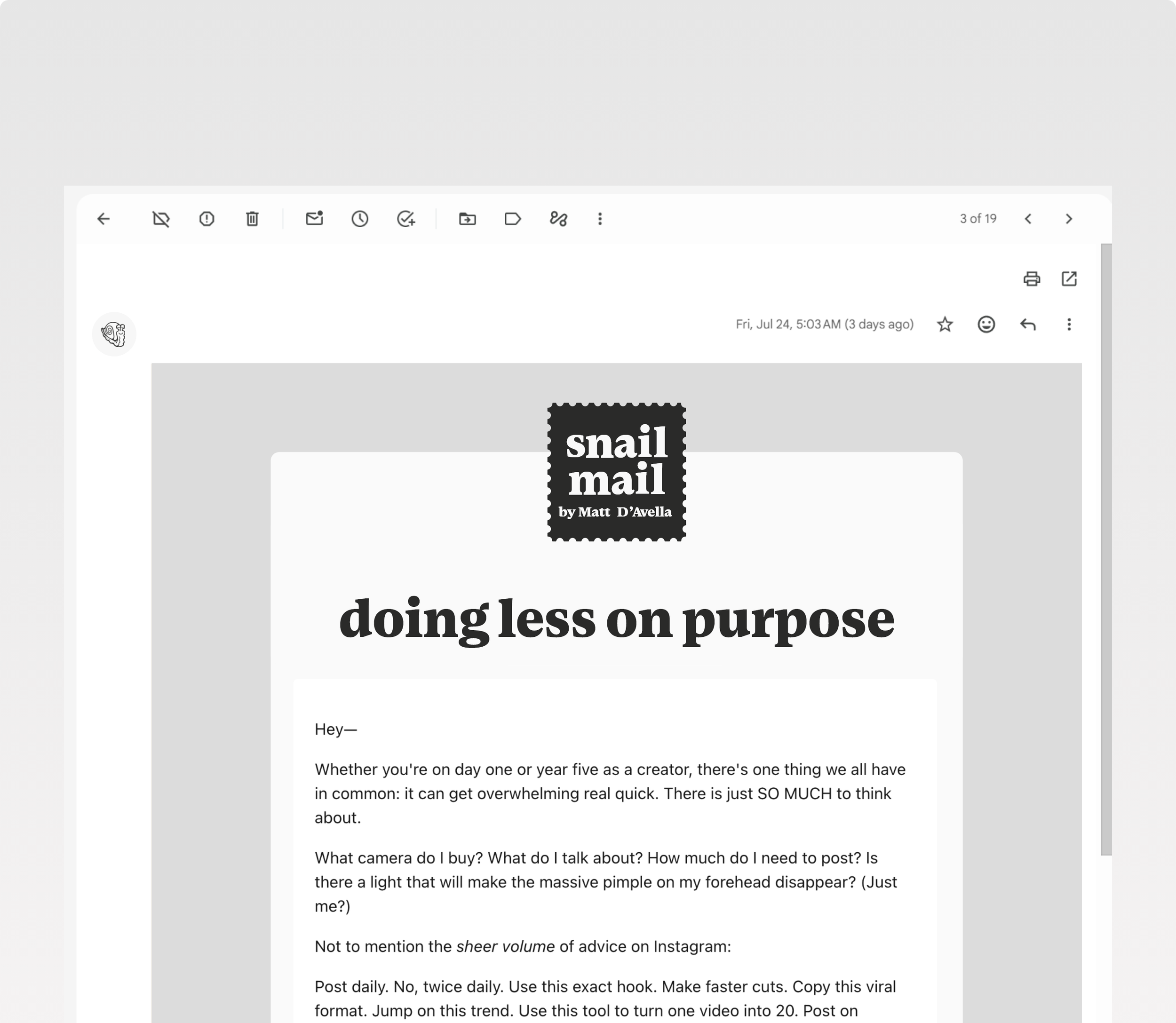
Snail Mail
Want a reminder that going slow is the right call? Every week, I share stories and behind-the-scenes insights on how to build something meaningful without the noise.
-
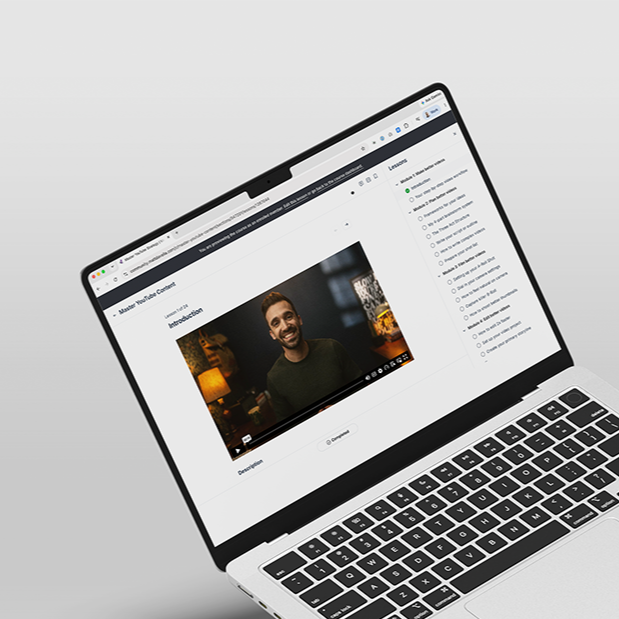
Master YouTube
Ready to start your YouTube channel and stick with it? I’ll show you everything I wish I’d known from the start to get your first 10k subscribers without burning out.
-
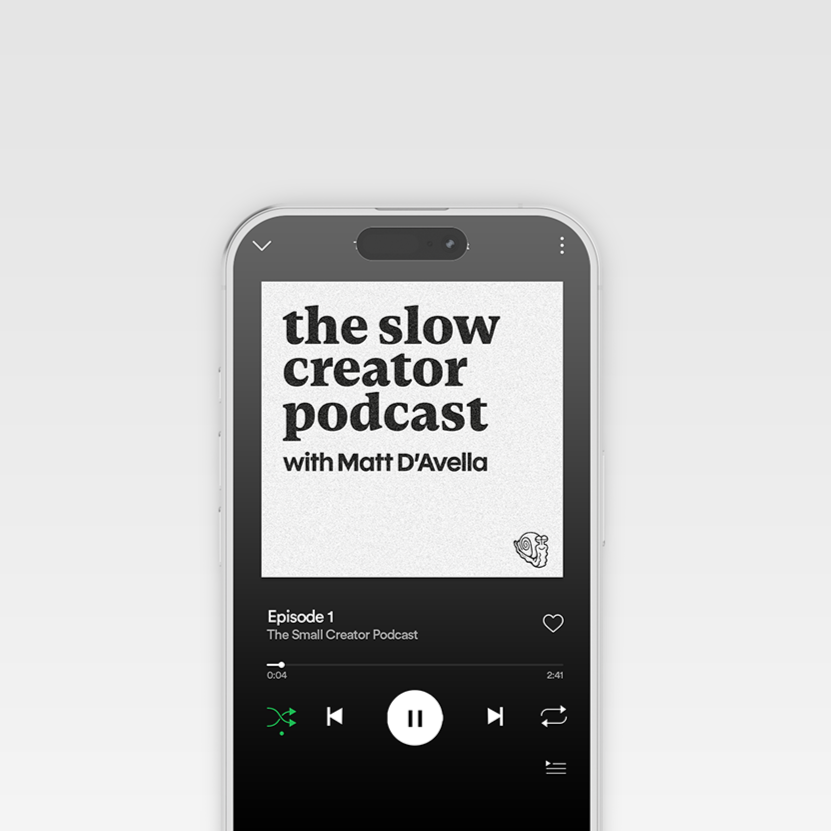
Slow Creator Podcast
Want to hear from creators who chose depth over speed and built a business on their own terms? Pull up a chair ― new episodes drop every month.